
Pronunciation Drills for Natural Speech
Master the sounds that matter. These step-by-step exercises help you speak English with confidence and sound more natural in everyday conversations.

Why Pronunciation Matters More Than You Think
Here’s the thing — you could know every grammar rule in the book, but if people can’t understand what you’re saying, those rules don’t help much. Good pronunciation isn’t about sounding like a native speaker. It’s about being understood. It’s about confidence.
Most learners focus on vocabulary and grammar first. That’s not wrong, but pronunciation deserves real attention too. When you work on specific sounds, stress patterns, and intonation, conversations become easier. You won’t have to repeat yourself. People won’t ask “sorry, what?” every other sentence.
The good news? You don’t need to spend hours perfecting your accent. Focused drills on the sounds that matter most in English — about 15-20 minutes a day — create noticeable changes in 4-6 weeks.
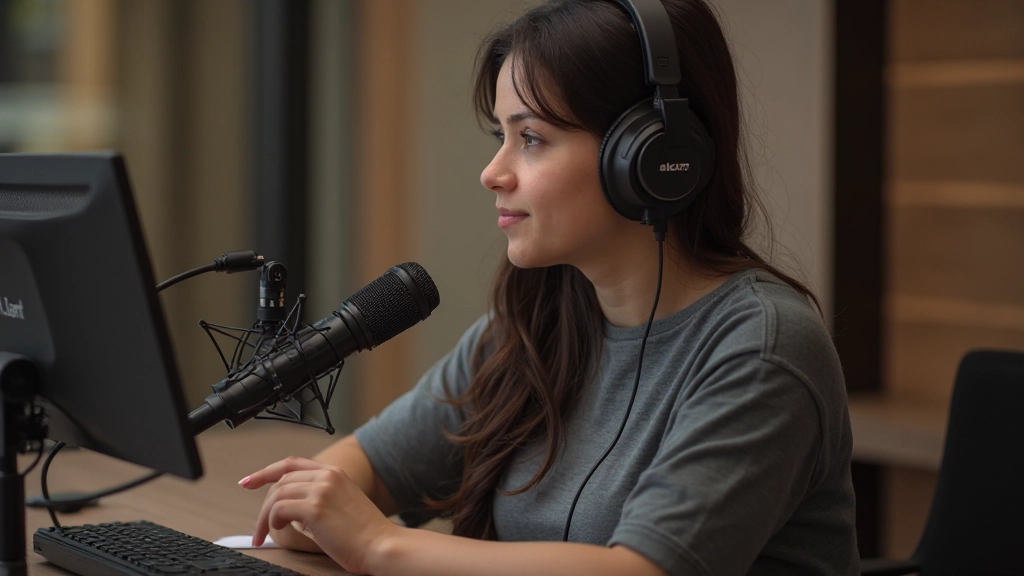
The Five Essential Sound Drills
These exercises target the pronunciation challenges most common for English learners in Malaysia and Southeast Asia.
The ‘Th’ Distinction
English has two ‘th’ sounds — the soft one (think, thank) and the voiced one (this, that). Place your tongue between your teeth and practice: thin vs. then, thought vs. that. Do 10 repetitions daily. Most learners master this in 2-3 weeks.
Vowel Length Matters
English vowels have different lengths. Ship vs. sheep. Sit vs. seat. Practice holding the longer vowels for an extra beat. Record yourself saying pairs of words — you’ll hear the difference immediately and your ear adjusts faster.
Word Stress Patterns
Stress the wrong syllable and people struggle to understand. PREsent vs. preSENT. REcord vs. reCORD. When you stress the right syllable, your speech automatically sounds more natural. Spend 5 minutes daily on stressed vs. unstressed syllables.
Linking Sounds Together
Native speakers don’t say each word separately — they link them. “Did you” becomes “didja.” “Want to” becomes “wanna.” Practice 3-4 common linking patterns. Your speech instantly sounds more fluent and natural.
Intonation and Rhythm
English isn’t monotone. Statements fall at the end. Questions rise. Emphasis shifts meaning. “Really?” vs. “Really!” Practice shadowing — play a short English clip and speak along with it. Your brain picks up the rhythm naturally.

Your Daily Routine: 15 Minutes That Work
You don’t need marathon sessions. Consistency beats intensity. Here’s what a real practice routine looks like:
Warm up with 10 tongue twisters. “Sally sells seashells” is cliché but effective. It forces your mouth into the right positions.
Focus on your problem sounds. If ‘r’ and ‘l’ confuse you, spend these 5 minutes on that distinction. Record yourself. Compare to a native speaker recording.
Shadowing practice. Play a 2-3 minute podcast or YouTube clip at normal speed. Speak along with the speaker. Don’t worry about keeping up perfectly — your ear trains faster than you think.
Read a short paragraph aloud — something you haven’t seen before. This tests whether you can apply what you’ve practiced to new material. You’ll notice improvement week to week.
That’s it. Fifteen minutes. Do this five days a week and you’ll hear real changes by week six. Most learners report that people stop asking them to repeat themselves within a month.
Tools and Resources That Actually Help
You don’t need expensive apps or fancy equipment. These resources are free or low-cost and proven effective.
Forvo
Native speakers record themselves saying thousands of words and phrases. You hear exactly how it’s pronounced — not in a textbook, but from real people. Search any word that confuses you.
YouTube Pronunciation Channels
Channels like Rachel’s English or English Addict with Mr. Duncan break down sounds and rhythm visually. You watch their mouth position and repeat. It’s like having a coach in your room.
Your Phone’s Recording App
Free and powerful. Record yourself, then listen back. Your ear catches mistakes immediately. Compare your recording to a native speaker’s — the difference motivates you to practice more.
Podcasts at Slower Speed
Most podcast apps let you slow playback to 0.75x speed. Choose intermediate-level podcasts (not advanced). Slower speed + shadowing = your brain absorbs patterns without stress.
Minimal Pairs Apps
Apps specifically designed for your native language challenges. If you’re Malaysian, find apps that target common Malay-English pronunciation confusion. They’re targeted and fast.
Three Mindset Shifts That Accelerate Progress
Pronunciation drills work better when you approach them the right way. These mental shifts change everything.
Stop Comparing to Native Speakers
You’re not trying to sound American or British. You’re trying to be understood. A clear accent is fine. Confidence matters more than perfection. When you accept this, you practice more because it feels achievable.
Your Accent Is Your Identity
You’ll always have an accent. That’s not failure — it’s normal. Every English speaker has an accent. What matters is clarity. Focus on the 5-10 sounds that actually interfere with understanding, not on sounding exactly like someone from London or New York.
Record Yourself Weekly
You can’t improve what you don’t notice. Recording yourself is uncomfortable at first — everyone hates hearing their own voice. But it’s the fastest feedback loop. You hear progress immediately. That motivation keeps you consistent.

Start This Week
You’ve got the framework. You know which sounds matter. You have free tools that work. The only missing piece is action.
Pick one sound that confuses people. Spend 15 minutes tomorrow on it. Record yourself before and after. You’ll hear the difference. That’s the motivation to continue.
In six weeks, people will understand you better. In three months, conversations become easier. You won’t be thinking about pronunciation — you’ll just be talking naturally. And that’s the whole point.
Explore More Conversation TipsContinue Your Learning



Important Note
This article provides educational guidance on pronunciation practice techniques. Everyone’s learning journey is different — what works in 4-6 weeks for some learners may take longer for others depending on your starting point, native language, and practice consistency. These exercises are designed to supplement your English learning, not replace structured instruction. For specific speech or accent concerns, consider working with a qualified English pronunciation coach or speech specialist. Your progress depends on consistent practice and exposure to authentic English through conversation and listening.